Report on the 2030 carbon footprint goals and renewable energy
The vision of a green Netherlands: lessons for the Spanish ecological transition
The world is changing and resources are running out. Spain is moving towards new energy sources, a necessary transformation to protect nature for our children. This briefing offers a calm, educational analysis of the development, the future and the protection that define the new green agenda on the peninsula.
Global warming: a calm call to responsibility
Global warming is no longer a distant scenario: it is part of the daily climate of the Iberian peninsula. Longer heatwaves, mild winters and the structural drought of the southern Spanish regions are signals collected by public meteorological services and by Spanish universities. This context calls for an educational outlook, far from alarmism, focused on the development of knowledge and on long-term protection.
The European commitment for the 2030 horizon proposes reducing greenhouse gas emissions by up to 55% compared to 1990. Spain, because of its geography and natural heritage, plays an active role in this challenge. Civic education, scientific outreach and institutional transparency are the three pillars that this publication brings to every weekly issue.
Thinking about global warming as a collective matter helps to embrace simple habits: sustainable mobility in mid-sized cities, efficient indoor climate control at home, conscious water use and respect for protected spaces. Environmental protection begins with small, well-informed decisions.
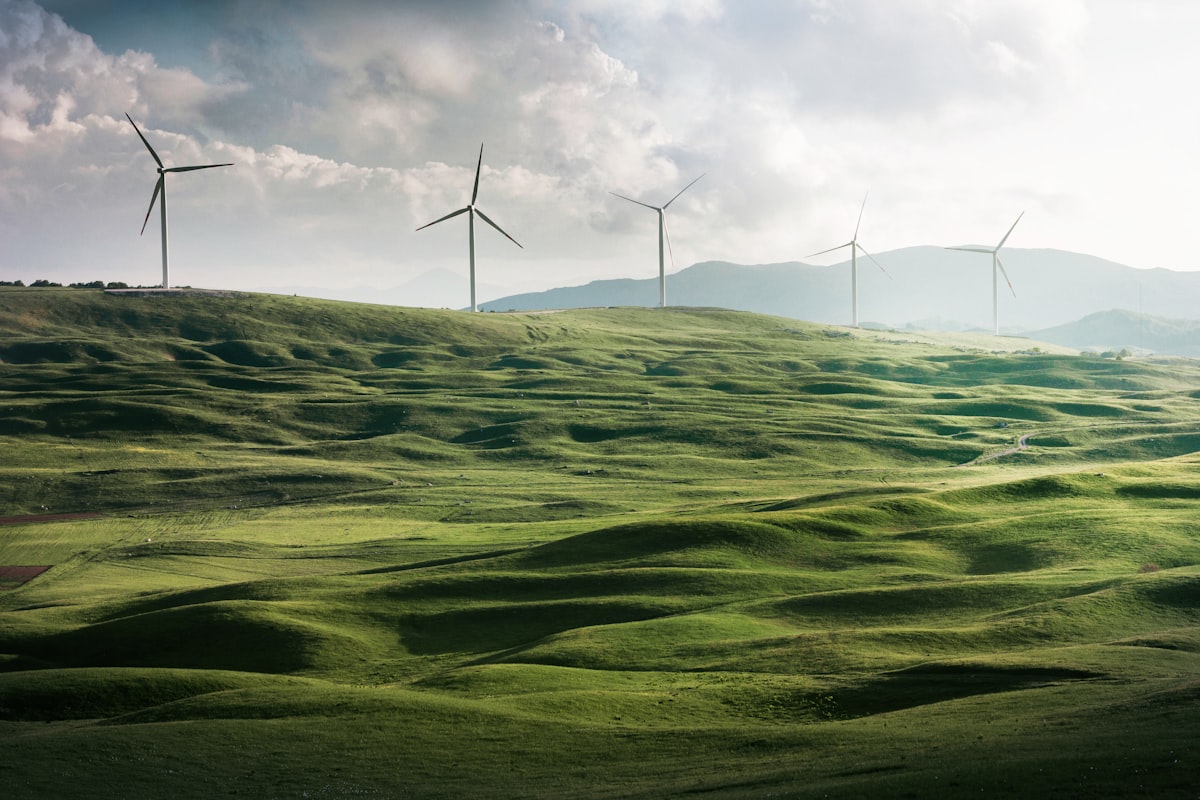
The role of Spain in European green energy
Spain enjoys exceptional conditions for the development of renewable energies: long hours of sunshine, wind corridors along the Ebro valley and the Strait of Gibraltar, and a modern electricity transmission grid. Spanish energy companies, broadly speaking, have steadily increased renewable installed capacity over the last decade.
The National Integrated Energy and Climate Plan sets clear goals for 2030: reaching 74% of renewable electricity generation and significantly reducing dependence on imported fossil fuels. These objectives are accompanied by energy efficiency programmes for buildings, support for electric mobility and the protection of ecosystems affected by energy infrastructures.
Cooperation with the Netherlands, pioneers in green innovation, offers Spain a complementary vision: the integration of productive landscapes, decarbonised urban planning and a future-oriented logistics sector. The phrase «the vision of a green Netherlands» summarises that calm, responsible inspiration which this publication wishes to share with Spanish readers.
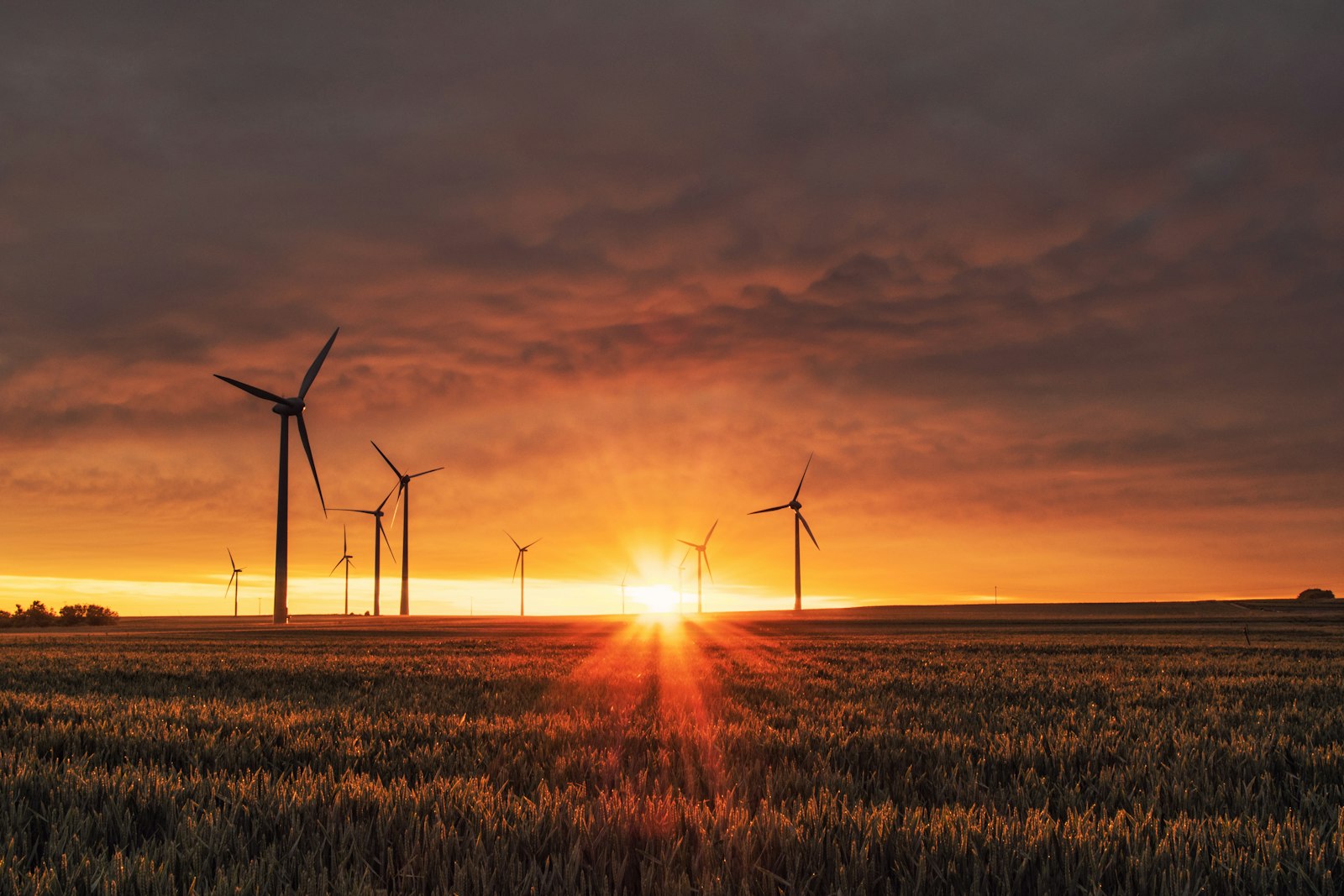
The future of agriculture: agroecology and open data
Agriculture 5.0 combines traditional knowledge with sensors, open data and regenerative practices. Across the Andalusian countryside, the irrigation lands of the Ebro and the Mediterranean orchards, pilot projects are being deployed to protect the soil, use water responsibly and develop crops that are resilient against climate change.
The new agriculture is not about producing more at any cost, but about producing better: crop rotation, vegetal cover, precision irrigation and renewable energy on mid-sized farms. These changes, transparently shared by regional authorities and research centres, shape a more sustainable and socially fair productive horizon.
The future of Spanish agriculture is built on three simple ideas: development of rural talent, protection of cultural landscapes and respect for natural cycles. Our weekly newsletter follows the most relevant progress in clear language, written for the curious and engaged reader.
“The ecological transition is not a slogan: it is discreet, ongoing and deeply educational work.”